Table of Contents
- 2. Key Statistics: The Water Crisis by the Numbers
- 3. The Main Causes of Water Scarcity
- 4. Consequences: What Happens When Water Runs Out?
- 5. Practical Solutions: How We Can Secure Our Water Future
- 6. Case Study: Success Stories from Around the World
- 7. The Role of Technology: Emerging Innovations to Watch
- 8. Conclusion: Every Drop Counts
- 9. References & Further Reading
Water is the foundation of life on Earth. It covers 71% of our planet’s surface, yet only a tiny fraction is accessible freshwater suitable for human use. From drinking and sanitation to agriculture, industry, and energy production, every aspect of modern civilization depends on reliable access to clean water. However, this vital resource is under unprecedented threat from climate change, pollution, overconsumption, and poor governance. This article explores the state of global water resources, the key challenges we face, and the practical solutions that can secure our water future.
2. Key Statistics: The Water Crisis by the Numbers
Let’s begin with some eye‑opening figures that illustrate the scale of the problem:
| Statistic | Value |
|---|---|
| People without access to safe drinking water | 2.2 billion |
| Annual deaths from water‑related diseases | ~1.4 million |
| Percentage of wastewater returned to nature untreated | 80% |
| Share of freshwater used for agriculture | 70% |
| Projected global water demand gap by 2030 | 40% |
Key insight: By 2025, half of the world’s population is expected to live in water‑stressed areas.
3. The Main Causes of Water Scarcity
Understanding the root causes is the first step toward effective solutions. The main drivers are:
3.1. Climate Change
-
Rising global temperatures accelerate evaporation and alter rainfall patterns.
-
Melting glaciers reduce natural freshwater storage.
-
More frequent and severe droughts and floods.
3.2. Population Growth & Urbanization
-
The global population is expected to reach 9.7 billion by 2050, increasing water demand dramatically.
-
Rapid urban growth strains aging water infrastructure.
3.3. Pollution
-
Industrial discharge (heavy metals, chemicals)
-
Agricultural runoff (pesticides, fertilizers)
-
Untreated sewage and plastic waste
3.4. Poor Water Management
-
Outdated irrigation methods waste up to 60% of water in some regions.
-
Leaky municipal pipes lose 30–50% of treated water.
-
Lack of integrated water resource planning.
3.5. Over‑extraction of Groundwater
-
Aquifers are being depleted faster than they can naturally recharge.
-
Some major aquifers (e.g., the Ogallala in the US, the Arabian Aquifer) may be exhausted within decades.
4. Consequences: What Happens When Water Runs Out?
The impacts of water scarcity cascade through every sector of society:
-
Human health crisis – More waterborne diseases (cholera, typhoid, diarrhea).
-
Food insecurity – Crop failures and livestock losses lead to hunger and malnutrition.
-
Economic losses – Agriculture, manufacturing, and tourism suffer billions in damages.
-
Social unrest & migration – Water conflicts already occur in regions like the Middle East, Africa, and South Asia.
-
Ecosystem collapse – Rivers, lakes, and wetlands dry up, destroying biodiversity.
Example: The Aral Sea in Central Asia has shrunk to 10% of its original volume due to irrigation mismanagement, creating a toxic dust bowl and displacing entire communities.
5. Practical Solutions: How We Can Secure Our Water Future
The good news is that proven solutions exist. They fall into four categories:
✅ 5.1. Individual Actions (What You Can Do Today)
-
Turn off the tap while brushing your teeth (saves ~8 gallons/day).
-
Fix household leaks promptly (a dripping faucet can waste 3,000+ gallons/year).
-
Install water‑efficient showerheads, toilets, and washing machines.
-
Collect rainwater for gardening and outdoor cleaning.
-
Avoid flushing trash or medications down the toilet.
✅ 5.2. Agricultural & Industrial Improvements
-
Switch from flood irrigation to drip or sprinkler systems (saves 30–60% of water).
-
Grow drought‑resistant and native crops.
-
Use precision agriculture and soil moisture sensors.
-
Recycle cooling water in factories and power plants.
✅ 5.3. Technological & Infrastructure Solutions
-
Desalination – Converting seawater to freshwater (costs falling, especially with solar power).
-
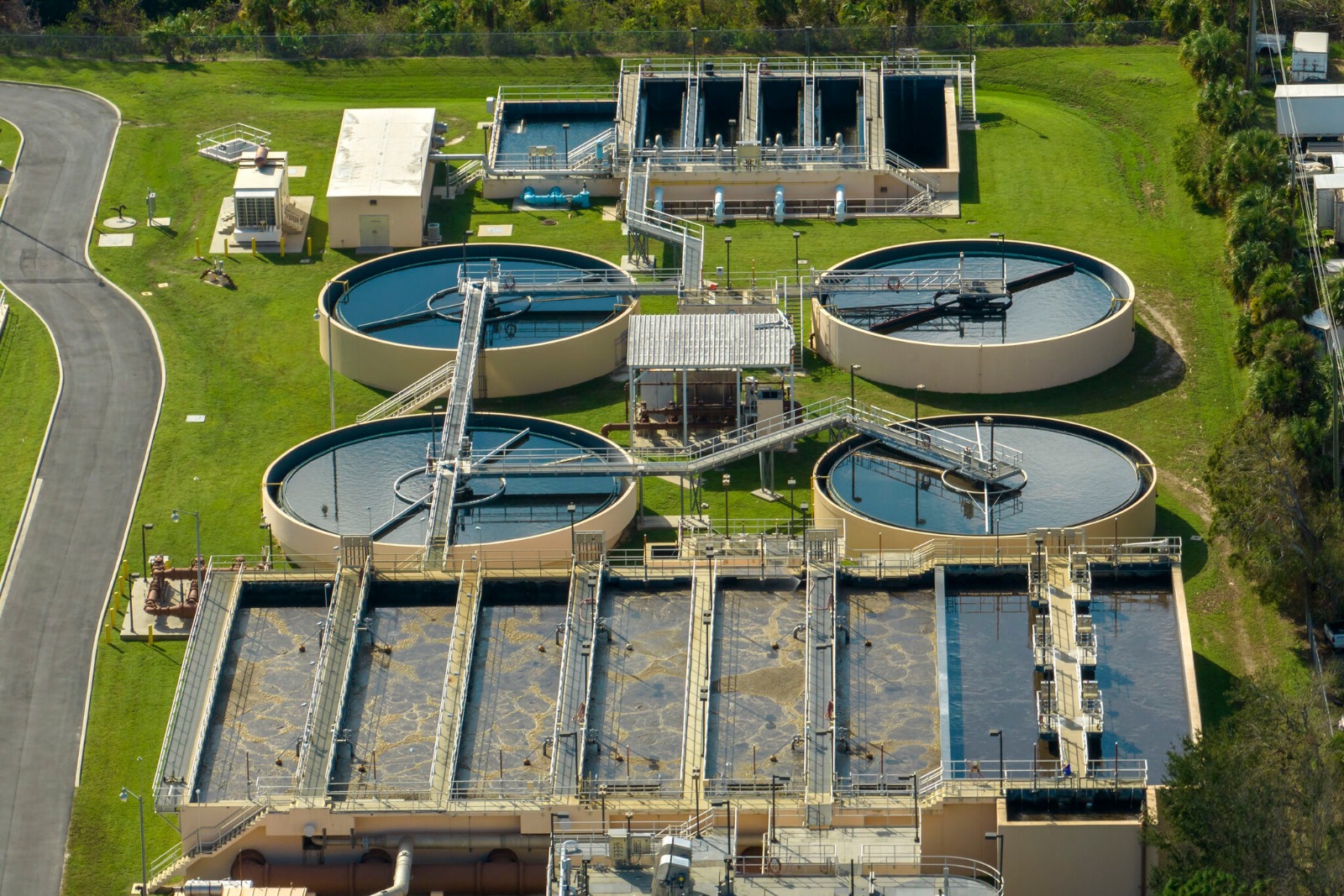
Wastewater treatment & reuse – Treated greywater can irrigate parks, golf courses, or crops.
-
Smart water meters – Detect leaks and track real‑time consumption.
-
Artificial groundwater recharge – Directing stormwater and treated wastewater back into aquifers.
✅ 5.4. Policy & Governance Measures
-
Implement integrated water resource management (IWRM) at national and regional levels.
-
Enforce pollution controls and sustainable withdrawal limits.
-
Establish fair water pricing (but protect access for the poorest households).
-
Strengthen international cooperation on shared rivers and lakes.
6. Case Study: Success Stories from Around the World
These examples prove that change is possible:
| Country | Strategy | Result |
|---|---|---|
| 🇸🇬 Singapore | Advanced wastewater recycling (NEWater) + rainwater capture | Meets 40% of water demand, aiming for 55% by 2060 |
| 🇮🇱 Israel | Drip irrigation, desalination, nationwide leak detection | Water surplus despite desert climate |
| 🇦🇪 UAE | Cloud seeding + solar‑powered desalination | Increased rainfall by 10–30% in target areas |
| 🇩🇪 Germany | Smart pipe networks and river restoration | Reduced leakage to under 10% |
Lesson learned: No single solution works alone – a combination of technology, behavior change, and smart policy delivers the best results.
7. The Role of Technology: Emerging Innovations to Watch
Technology is revolutionizing how we monitor, conserve, and produce water:
-
Artificial Intelligence (AI) – Predicts droughts and optimizes reservoir releases.
-
Internet of Things (IoT) – Sensors in pipes detect leaks instantly.
-
Nanotechnology – Advanced filters remove micro‑pollutants.
-
Atmospheric water generators – Extract drinking water from humid air.
-
Solar‑powered desalination – Lowers cost and carbon footprint.
💡 Did you know? Some startups have developed “self‑watering” agricultural systems that reduce water use by up to 90% compared to traditional methods.
8. Conclusion: Every Drop Counts
Water scarcity is one of the defining challenges of the 21st century, but it is not insurmountable. By combining responsible individual behavior, modern technology, sustainable agriculture, and strong governance, we can ensure that future generations inherit a world where clean water is available to all.
What you can do right now:
-
Calculate your water footprint (many free online tools are available).
-
Support organizations working on clean water projects (charity: water, WaterAid, etc.).
-
Share this article to raise awareness.
-
Advocate for better water policies in your community.
9. References & Further Reading
-
UN World Water Development Report (UN WWDR)
-
World Health Organization (WHO) – Water, Sanitation and Hygiene (WASH)
-
The World Bank – Water Resources Management
-
FAO – Water for Sustainable Agriculture
Articles You May Like
Leave a Reply